I am a psychology major at
IIUM. Prior to this, I was a Sc. Math major since IIUM Matric until the 1st sem of my 1st year at the Gombak main campus. But then the Science Kulliyyah moved to the Kuantan campus, which is new, barren, has incomplete facilities, out-of-the-way, hard to go shopping or anywhere else due to the lack of public transport (unless, of course, you're one of those lucky students who have a car). In short, the Kuantan campus is just not my type of place because there are only three Kulliyyahs there (Medicine, Pharmacy and Science), so just imagine how BORING it will be meeting the same people everyday. Plus it's too quiet...I go crazy in quiet places. Ehh...I know quiet places are supposed to be good environments to study in, but each to his own I guess. Oh, and did I mention that it will be too far for me to go home?? Kuantan-Penang is like, 7 hours I think by bus.
Shudder. Check out this picture below.
That's IIUM Kuantan for you.
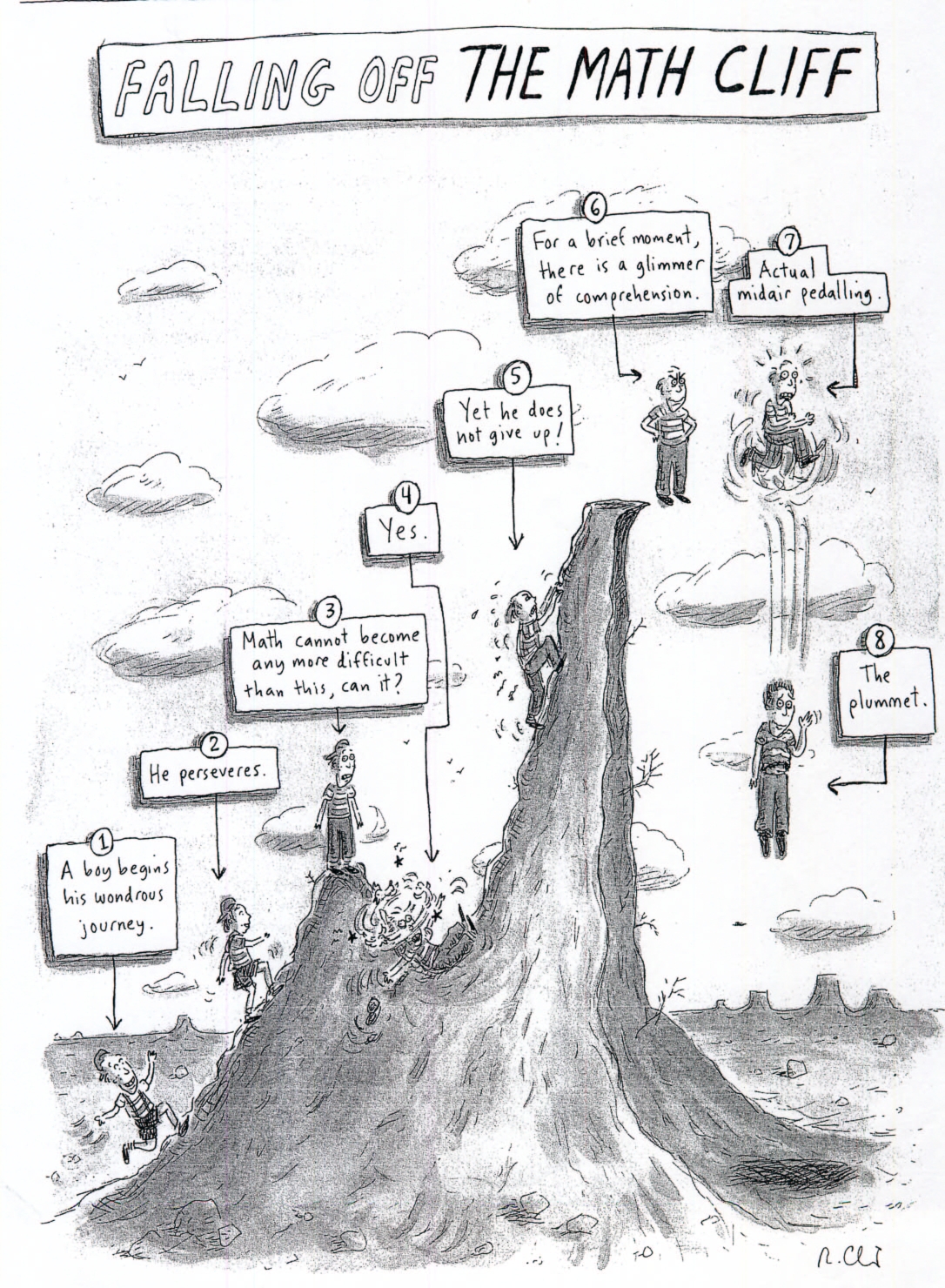
 So that's why I decided to change courses. Haha...okay, I'm lying. I also changed courses because I can't stand Math anymore...which is kinda surprising considering the fact that my grandpa Wan is a great math teacher. Heh heh. High School math and Matric math are still tolerable...but majoring in math is insane! Unless you're a fan of math, I'm sure you'd agree. I mean, Algebra used to be a tiny chapter in the text book, but it's now a whole subject. Urgh.
So why change to Psychology?? To tell you the truth, I never knew much about Psychology, Sociology, Mass Comm...basically the arts sector. This is because Malaysians are quite narrow-minded when it comes to the career fields (another disadvantage of the Malaysian education system?). Here, the only "top" courses are Medic, Engineering, Law, and Economics. Try telling someone you take something other than those four courses, and they'll go "Ohh. I see.", like it's not really great and perhaps you're not really that clever to take those top courses. I know this because I was once in the Science field (and I got good results for my SPM), so once upon a time, I was one of those who looked down (just a bit, though) on these art courses. But since I'm now an art student, I've been trying to expose more of these courses to my juniors. And I have to say, their surprise and interest really encourage me.
In foreign countries such as the US, UK and Australia, the arts sector is well-established and is even considered as one of the "top" courses. In fact, the people there will probably say "Wow! I see!" (instead of the "Ohh. I see." you get here) if you tell them you're a psych major. And if I'm not mistaken, psychology is a science subject in certain countries. Among the courses offered in the arts sector other than Psychology are Mass Communication (my minor), Political Science, History, Sociology and Languages. Since I had to take an Introductory subject on each course (except the language), I have been more open-minded towards these courses because they are all useful in their own ways. I mean, if nobody took History, who'd be left to document the history in making?

But no offense to the doctors, engineers, lawyers and accountants out there...you guys are still a big contribution to the world. Luckily though, my family has an interesting mixture of careers - my sister is a Dentistry student, my Ummi's a lecturer, and there are several engineers including my Ayah (I guess you have to have a few of those), a few uncles are in the Syari'ah field (and now have successful careers...not just becoming an
ustaz), a pilot, a Cabinet Minister's assistant, and my youngest Aunt is now into Culinary Arts. That's
really interesting. Perhaps we can leave the Raya cooking to her and she'll whip up a few gourmet dishes.
Actually, I'm going to talk mainly about Psychology. I chose it because its about the human behaviour, which is something we all do and observe other people doing - unconsciously. Before I go further, I'd like to point out the difference between a psychic and a psychologist as I've noticed that some people are confused between the two terms. A psychic is someone who uses extra-sensory perception (ESP) to perceive things which are hidden from the normal human senses (eg; predicting the future); whereas a psychologist tries to understand why a person acts the way they do and the role these actions play in a person's social behaviour.
 Other than studying people's behaviour, psychologists also study a person's cognition (thinking), emotion, perception, personality and interpersonal relationships. Which is why I really like it, because i've always liked observing people (but then again, who doesn't?).

Learning about a person's personality is really cool because you learn about a person's traits & characteristics which make him unique.From there, you can describe a person, explain his behaviour and can even predict his future behaviour. Most companies nowadays rely on personality assessment tests to help them find a suitable candidate for their company. Crime detectives do a case study on their suspects in order to study their profile and behaviour, like the case study done on the serial killer Ted Bundy.
For those of you who are interested in just the human part of biology, but don't want to torture themselves by doing medic should go into Psychology (please click here to learn more about the daily tortures which medic students have to go through. I find this blog interesting, funny yet so true). The neuropsychology branch combines neuroscience and psychology and relates the brain to behaviours. I also had to take a Physiological Psychology subject, and when I compared it to the Physio that my medic friends were taking, they were basically the same stuff. Except the psych students' exams are easier than the medic atudents'. Heh heh. But you still need to memorize facts and theories for exams, so I think the Engineering and Math students are luckier in that aspect. All they have to do is know/understand the formula and just apply it.
Psychology has a very good career prospect...at least in the US. Here, its just "Ohh...so you can be a counsellor!!" like its the most exciting thing to do in the world. Roll eyes. I just hate it when someone says that to me. C'mon la, there're many other careers like clinical psychologist, forensic psychologist, health psychologist, neuro psychologist, engineering psychologist, sports psychologist...please click here or here for more info. Or else, its "Haha...hope you don't become a psycho like your patients!" Argh...! For your info, people, its the psychiatrists who have a bigger chance of becoming psychos as they will be the ones who will actually treat the mental-disorder patients. Psychologists in the abnormal psychology area study the nature of psychopatholgy (the study of mental illness or mental distress) and its causes, which is then applied in clinical psychology to treat patients with psychological disorders. Examples of psychological disorders are anxiety disorders (eg; a specific phobia), psychotic disorders (eg; Schizophrenia) and even personality disorders (Please click here for more info).

In this ever-developing world, I would say that the demand for psychologists and psychiatrists are quite high seeing as the number of people who are on the verge of going crazy because of stress is always increasing.
As for me...I haven't exactly decided yet what I want to be. I'm thinking about child psychology, which deals with dyslexic kids, autistic kids and so on. It would be nice to make a difference in these kids' lives. If I wanted a career for the money, I'd be better off doing industrial/organizational psychology. But my parents always taught us that when we do something, make sure we do it for Islam...not just for the money or worldly status. You know what? I've got like, 2 more years to decide. Hopefully this coming new semester will help me choose the right career. If not, maybe next sem. Or the next sem after that.



 The first week of semester is a rush of adding/dropping subjects and making sure your class schedule is just perfect (seeing as you'll have to live with it for one whole sem) in between going to classes. And as is customary for the first week of the first semester, the first few classes are spent with the usual briefing of the course contents and course assessment by the lecturers.